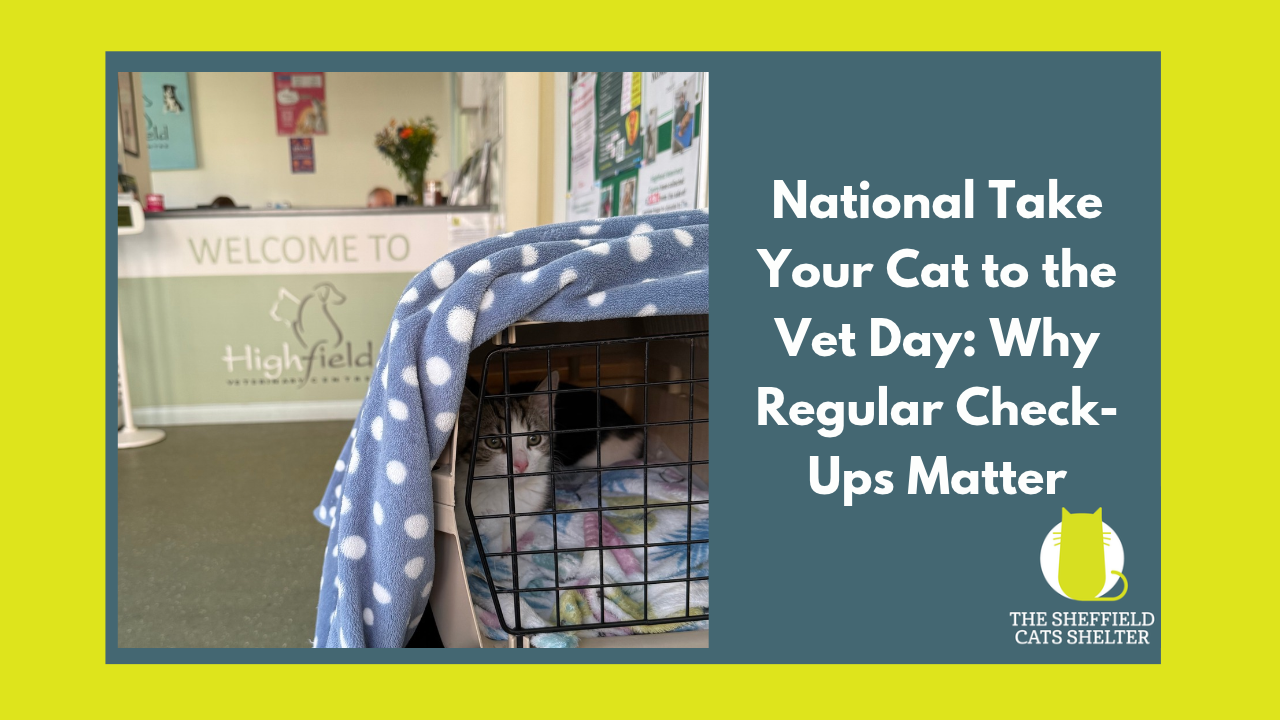
Saturday, 22nd August, is National Take Your Cat to the Vet Day – a reminder that sometimes the most important vet visit is the one you make when your cat seems perfectly fine. 💚
Cats are experts at hiding when something isn’t right. In the wild, showing signs of weakness could make them vulnerable, so cats have evolved to carry on as normal for as long as possible.
That instinct hasn’t disappeared just because our cats now sleep on the sofa, demand breakfast at 6am and have their favourite spot on the bed!
By the time we notice something is wrong, a health problem may already have been developing for some time.
That’s why regular veterinary check-ups are so important.
Why should my cat have a yearly check-up?
It’s easy to think that a vet visit isn’t necessary if your cat is eating, sleeping, playing and behaving normally.
But a routine health check gives your vet the opportunity to look for things you might not be able to see at home.
During a check-up, your vet can assess your cat’s:
- Heart and breathing
- Eyes and ears
- Teeth and gums
- Skin, coat and claws
- Weight and body condition
- General physical health
- Vaccination status
- Parasite protection
- Diet and nutrition
- Toileting and litter tray habits
- Behaviour and overall wellbeing
Your vet may also recommend blood tests, urine tests or other investigations depending on your cat’s age, health and individual needs.
These checks can sometimes uncover changes before your cat starts showing obvious signs of illness.
And when a problem is found early, it can often be easier to manage or treat.
“But my cat looks completely healthy!”
This is one of the most common reasons people put off taking their cat for a check-up.
Cats can be incredibly good at hiding pain and illness.
A cat with dental disease might still happily eat their dinner. A cat developing kidney disease might still appear completely normal. A cat with arthritis may simply become a little less active rather than obviously limping.
Small changes can be easy to dismiss as your cat “getting older” or simply being in a grumpy mood.
But changes in behaviour can be your cat’s way of telling you something isn’t right.
That’s why getting to know what is normal for your individual cat is so important.
Know your cat’s normal
You see your cat every day, so you’re in the best position to notice subtle changes.
Keep an eye out for things such as:
- Eating or drinking more or less than usual
- Weight loss or weight gain
- Spending more time hiding
- Becoming less active or playful
- Changes in sleeping habits
- Becoming unusually quiet or irritable
- Changes in grooming
- Excessive grooming or bald patches
- Difficulty jumping or climbing
- Changes in how they walk
- Vomiting or diarrhoea
- Changes in toileting
- Urinating more frequently or struggling to urinate
- Bad breath or difficulty eating
- Changes in their usual personality
None of these signs should automatically be assumed to mean something serious, but a change from your cat’s normal behaviour is worth paying attention to.
If you’re concerned about your cat, contact your veterinary practice for advice.
Don’t wait for the annual check-up if something changes
A yearly check-up isn’t a substitute for seeing your vet when your cat is unwell.
If you notice a sudden or worrying change in your cat, contact your vet rather than waiting for their next routine appointment.
Some problems can become serious very quickly, particularly things such as difficulty breathing, severe pain, repeated vomiting, collapse or difficulty passing urine.
If you’re ever unsure, it’s always better to speak to your veterinary team.
Kittens and senior cats need extra attention
Not every cat needs exactly the same level of veterinary care.
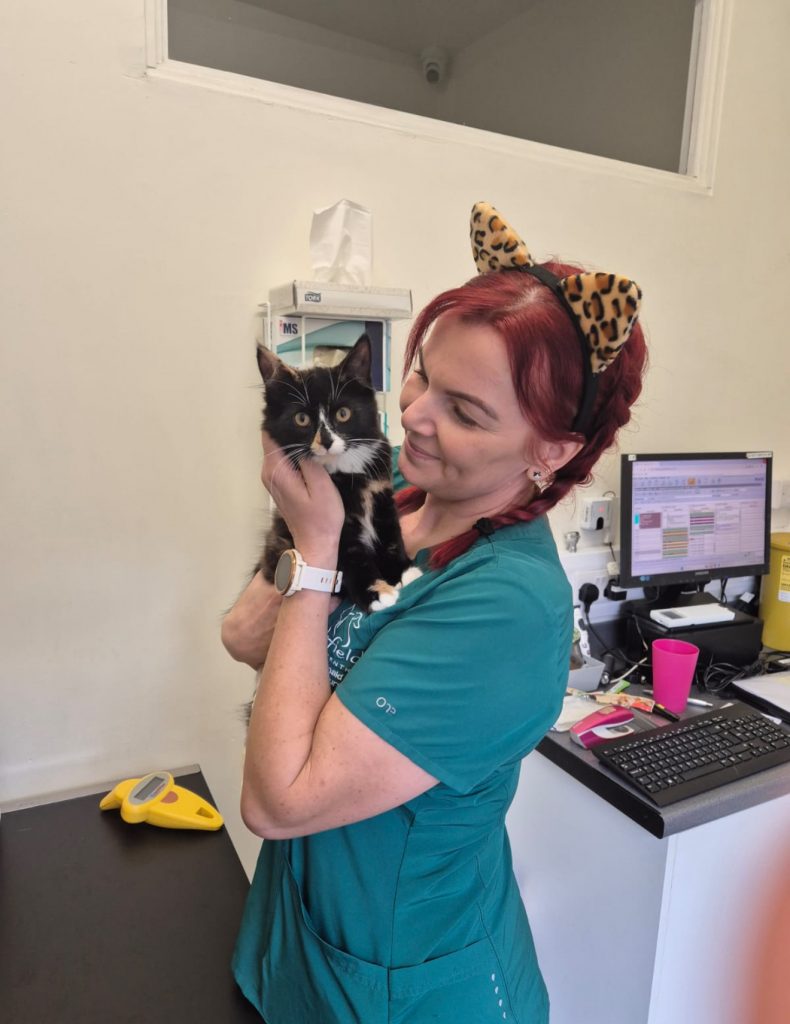
Kittens have lots of growing to do and need their initial vaccinations, health checks and other preventative care. Your vet can also help make sure they’re developing properly and give you advice on nutrition, neutering and parasite prevention.
Older cats can benefit from more frequent health monitoring too. As cats age, they become more likely to develop conditions such as dental disease, arthritis, kidney problems, thyroid disease and other age-related conditions.
Your vet can advise you on how often your individual cat should be checked.
The important thing is not to think of veterinary care as something that only happens when your cat becomes ill.
Preventative care is part of responsible cat ownership.
How can I make a vet visit less stressful?
Let’s be honest, many cats aren’t exactly thrilled about a trip to the vet!
For some cats, the stress starts the moment the carrier appears.
But there are things you can do to make the whole experience easier.
- Make the carrier part of everyday life
Don’t only bring the carrier out on vet day.
If your cat only ever sees it before a trip to the vet, they can quickly learn that carrier = something scary is about to happen.
Instead, leave the carrier somewhere accessible with the door open.
Put a familiar blanket inside and encourage your cat to investigate it in their own time. You can even add treats or a favourite toy.
The aim is to help your cat see their carrier as a normal, safe part of their environment.
2. Let your cat take their time
Never force your cat into the carrier if you can avoid it. Give them time to explore it and reward calm behaviour.
If your cat is particularly nervous, speak to your vet about ways you can work on carrier training gradually.
For some cats, a top-opening or easily removable carrier can also make getting them in and out much easier.
- Bring something familiar
A blanket or towel that smells like home can help make the carrier feel more reassuring.
You could also bring a favourite toy or familiar bedding.
For particularly nervous cats, ask your vet whether a pheromone product or other calming option may be suitable.
4. Keep the journey calm
Secure the carrier safely in the car so it doesn’t slide around.
Try to keep noise to a minimum and avoid unnecessary journeys or stops.
Some cats feel safer if their carrier is partially covered with a light blanket, although make sure there is still plenty of ventilation.
And remember, never leave your cat unattended in a parked car, even for a short time.
5. Stay calm yourself
Your cat knows you better than you might think! If you’re anxious and stressed, your cat may pick up on it.
Speak calmly, move gently and try not to rush.
Your calm presence can help reassure them that they’re safe.
6. Tell your vet if your cat is frightened
Don’t be embarrassed if your cat becomes scared, hides or reacts defensively at the vet’s.
Your veterinary team will be used to nervous cats.
Let them know beforehand if your cat finds vet visits particularly difficult. They may be able to arrange a quieter appointment, allow your cat to wait somewhere away from dogs or discuss options to reduce anxiety.
For some cats, your vet may recommend medication to help manage severe anxiety. Never give your cat medication intended for humans or anything not prescribed or recommended by your vet.
When was your cat’s last check-up?
If you’re sitting there thinking, “Actually… I can’t remember!” National Take Your Cat to the Vet Day is the perfect reminder.
Take a look at your cat’s vaccination records, check when their last health examination took place and, if they’re due, book an appointment with your veterinary practice.
It doesn’t matter whether your cat is 6 months old, 6 years old or 16 years old.
They all deserve the chance to have their health checked.
And perhaps the most important thing to remember is this: Don’t wait until your cat looks poorly to take them to the vet.
Regular check-ups aren’t about expecting something to be wrong.
They’re about keeping your cat well, spotting changes early and giving them the best chance of a long, happy and healthy life.
So this National Take Your Cat to the Vet Day, check the calendar, dig out that vaccination record and ask yourself:
“Is my cat due for a check-up?”
If the answer is yes, it’s time to pick up the phone. 🐾💚

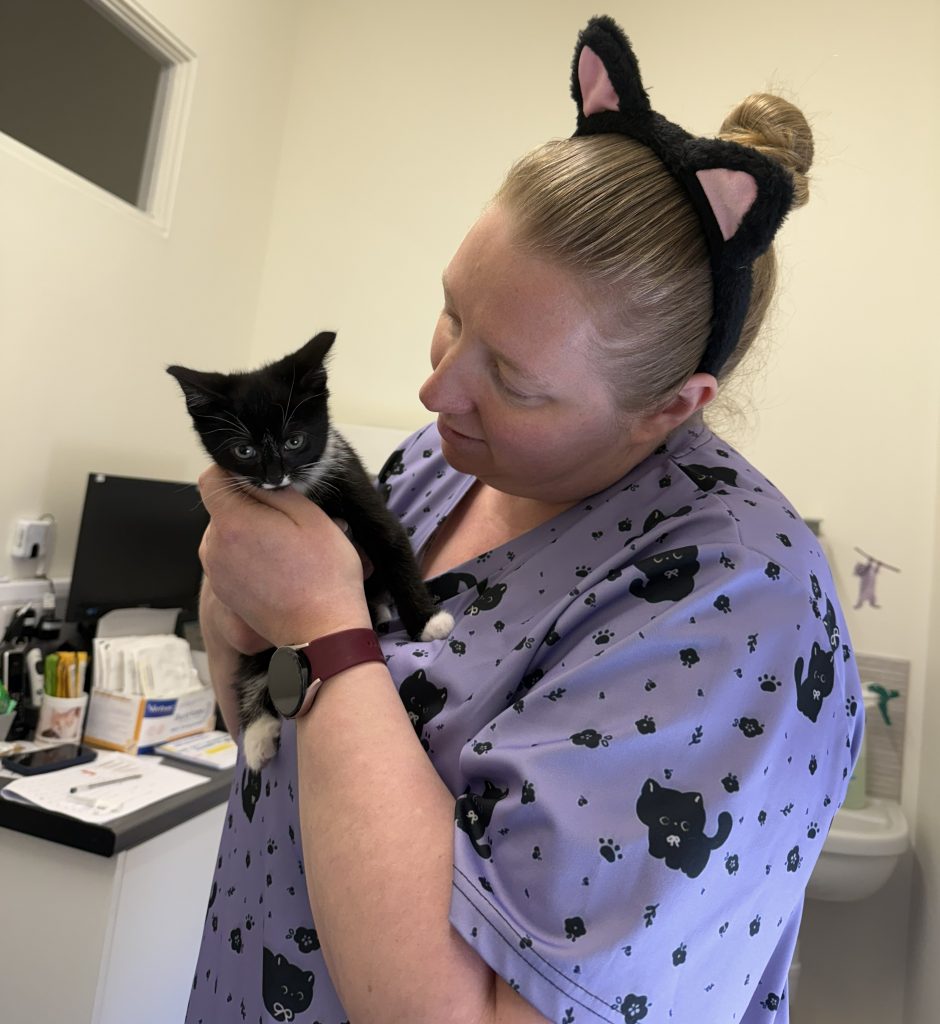
From all of us at The Sheffield Cats Shelter
We know that veterinary care can sometimes feel daunting, especially when you’re worried about your cat.
But preventative healthcare is one of the most important things you can do for them.
A check-up today could help your cat stay happy and healthy tomorrow. 💚